
I notice things about your writing that you can’t yet see.
In this post, I want to share how my intuitive abilities, pattern recognition, and editorial eye help memoir writers and nonfiction authors bring their books to life.
I am a keen observer. A seer.
My intuition and trust in my intuition— that’s something that makes my approach to book coaching, memoir ghostwriting, and developmental editing different.
I see the patterns, the gaps, the connections, and the untapped potential in your writing. And I see what’s getting in the way of you expressing it.
I notice the little things. I've been like this since I was a young girl.
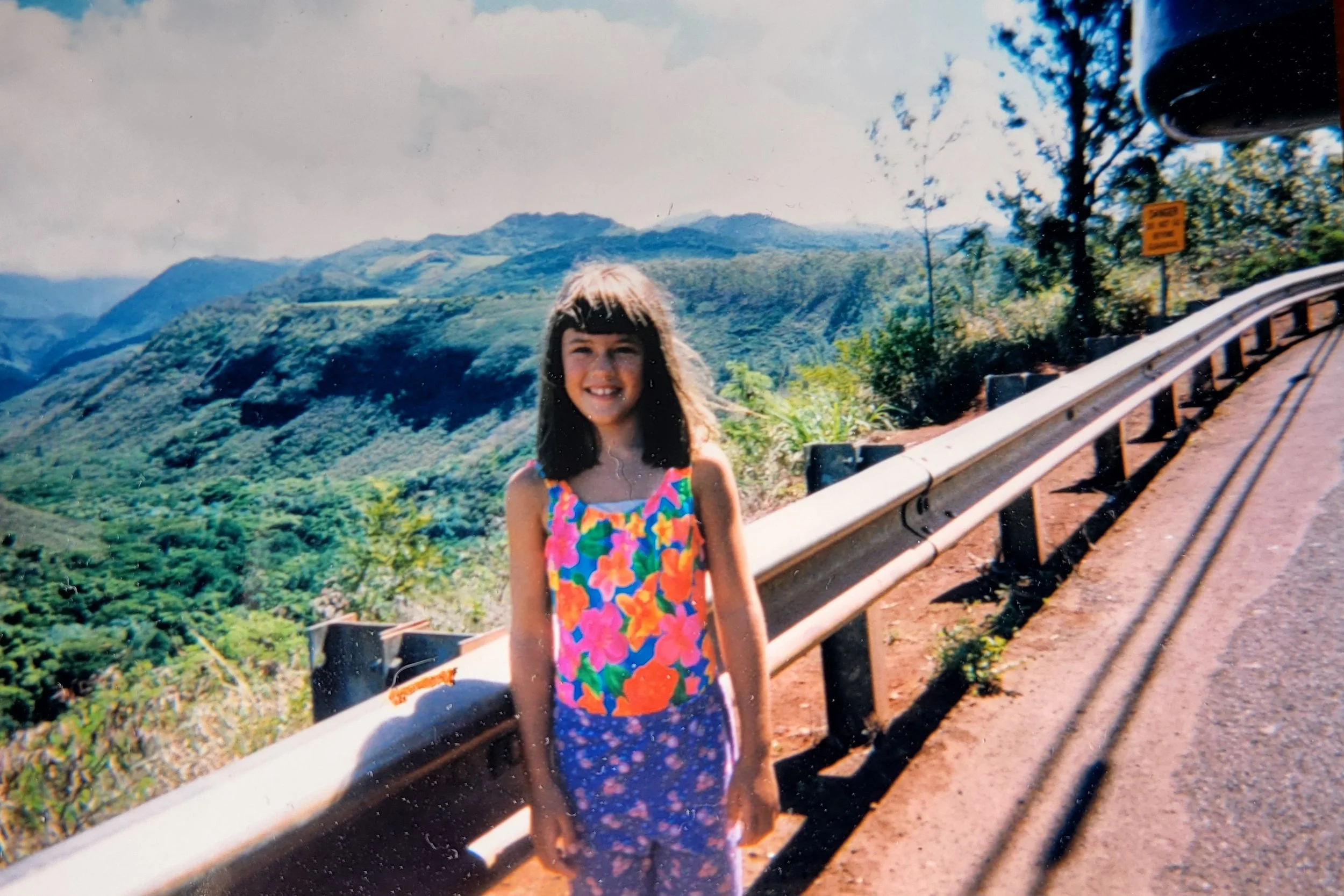
Growing up, my family called me “Eagle Eye.” I was constantly spotting things. Like noticing that a piece of furniture in a room had been moved, or that someone had gotten a haircut. I loved memory games like Guess Who? and could pick out that elusive striped shirt in Where’s Waldo books. I wanted to be a detective when I grew up because I loved finding clues everywhere.
I aced reading comprehension tests in school. When I read, my powers of observation are especially heightened.
I track when a word is repeated, or a word feels off. Images linger in my imagination. The way something is described sticks with me. Sometimes a description or character can give me a visceral reaction in my body. I am a deep feeler. Art moves me. Sometimes to tears.
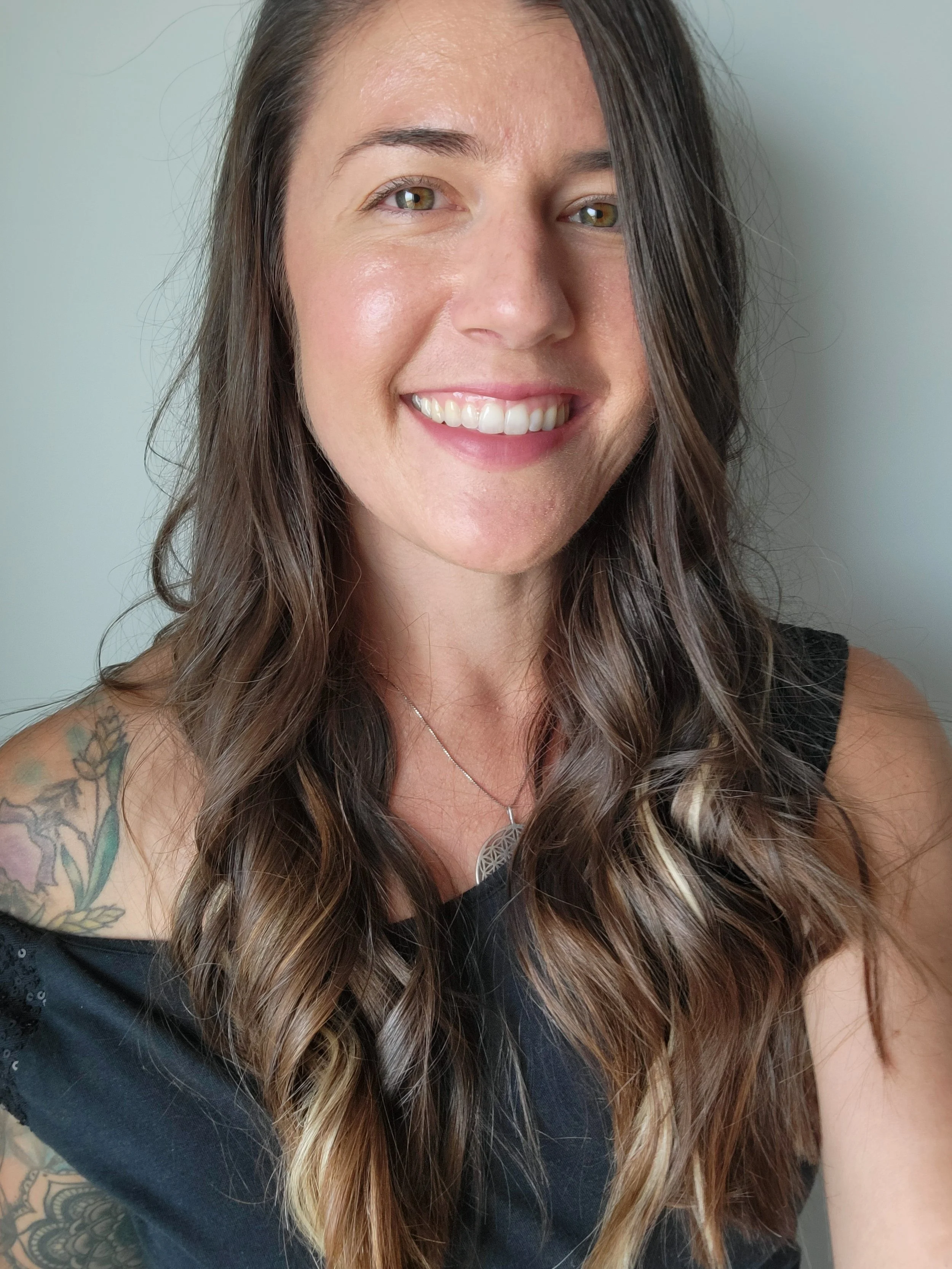
Over time, I began to recognize that this sensitivity extends beyond what I can see on the page. I notice what’s being said, what’s left unsaid, and the subtle energy happening beneath the surface.
In addition to working as an editor since 2010, I’ve spent the last decade refining my skills as an energy healer. I can read people, read a room, and sense what someone is thinking or feeling.
You know the quote from The Sixth Sense movie? “I see dead people…”
Well, I see authors! I see the soul of your book before it’s fully written!
Might sound a bit woo-woo, but it’s true.
I see the intricate patterns, the webs of connection between ideas, images, and words. I see people for who they are.
I see a book’s structure taking shape as I read a first draft. It’s like puzzle pieces fitting into place.
And I can tell when someone’s writing isn’t living up to its potential because their insecurity is getting in the way.
The combination of my editorial eye and intuitive abilities makes my approach to memoir editing and book coaching different.
I’m looking at what’s on the page, but in addition to word choice and writing style, I’m also paying close attention to you: the person, the author, the human being behind the story.

Seeing what’s beneath the surface of your manuscript
When I read someone’s work, I get immediate intuitive hits on parts of a book that need to be deepened. Moments where the author is holding back out of fear. Places where a personal story could be explored more fully, or where an important connection hasn’t quite made it onto the page yet.
I’ll find myself thinking: What aren’t you saying here? Wait, why did you skip over that part? It seemed important…
Getting to the heart of something—really bringing out the emotional truth of a story—is especially important when writing memoir. Sometimes the most powerful parts of your story are the very things you’re struggling to put into words.
Or the parts of you that you want to keep hidden.
As a memoir ghostwriter and developmental editor, I pay close attention to more than structure, pacing, and how your writing comes across to your reader. I’m also looking at the emotional threads running through your story. Where are you holding back? What are you not quite ready to say? Where is there an opportunity to go deeper?
Sometimes the biggest breakthrough in a manuscript happens when an author is willing to look at what they’ve been avoiding.
And sometimes what initially seems like a writing or craft problem is actually fear of being seen, uncertainty about your own voice, or difficulty trusting that your story is worth telling.
Your book can change how you see yourself
Authors come to me when they’re ready to work through the things that have been holding them back from fully embodying their power.
Yes, we’re going to make your book even stronger—the best it can be. But we’re also going to transform how you see yourself.
Writing a memoir or transformational nonfiction book asks a lot of you. You’re revisiting personal experiences, difficult or even traumatic memories, making meaning of your past, and figuring out how to translate everything you’ve lived through into a story that someone else can connect with.
Walking that path alone is damn near impossible. That’s where I come in.
As a trauma-aware book coach, developmental editor, and memoir ghostwriter, I help authors recognize what’s working and identify where their manuscripts need improvement. But most importantly, I’m here for you throughout that creative revision process. I’m here alongside you for support as you face those aspects of your writing that need work, which often involves facing your fears and insecurities, too.
I’m here to help you find the courage to express yourself fully instead of holding back.
To me, that is what book writing is truly about. Courage. Identity. Self-love and empowerment over fear.
My approach combines the craft of writing with the deeper inner work of becoming an author. I believe resistance is information. Sometimes the places where you’re stuck are pointing toward something important that wants to emerge in your book.
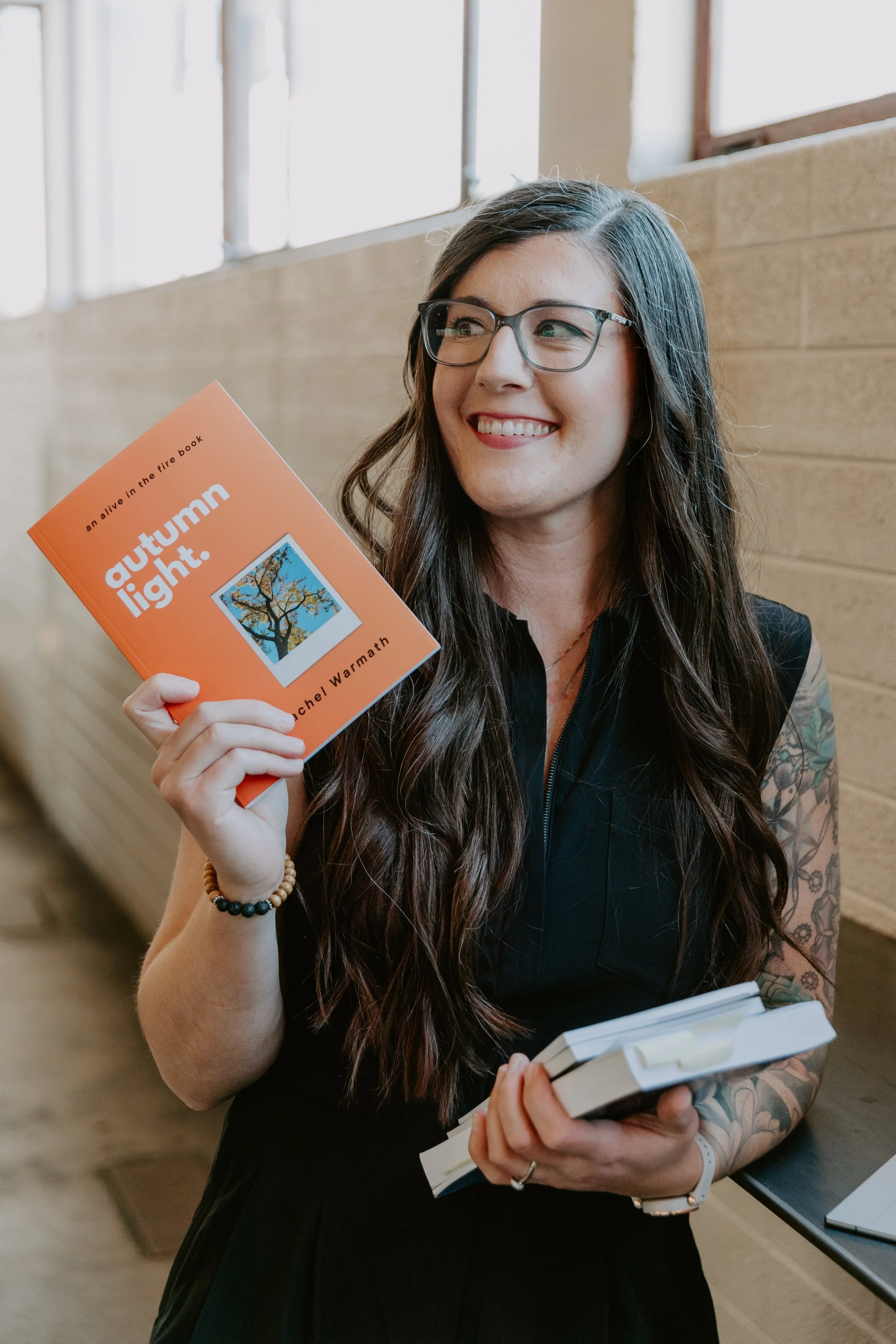
I'm already imagining you holding your finished book
I see you as the author. I hold the energy of completion, and the image of you holding your book in your hands.
In my wildly imaginative mind, we’re already standing at the finish line, where your project is complete.
Whether we’re working together through memoir ghostwriting, developmental editing, or ongoing book coaching, I’m here to help you map how to get from here to there.
My job is to help you bring possibilities to life, strengthen your manuscript, and grow more powerful in the process.
Have a book you need support on? Reach out to me.