Book Coaching for Memoirs About Trauma and Addiction

You're writing about the hardest thing you've ever been through in your whole life... and yet you're doing it alone?
I'm consistently astounded by how many women dive into memoirs about trauma, loss, grief, addiction, and rebirth with zero emotional support.
If you are sitting down at your laptop and trying to power through, but keep getting stuck… I see you. I was you!
I want you to know two things. It makes complete sense that you’re still trying to ‘force’ your book manuscript out. And there's a better way.
Healing the Hyper-Independence Wound as a Memoir Author
The pattern I see over and over in my work as a memoir book coach is that women are healing their hyper-independence wound as they write.
Many of us learned early that needing help was risky, that being "the strong one" was our job, and that resilience means we are capable of handling everything solo. So when we decide to write a book about our darkest chapter, or our spiritual awakening, we bring that same POV with us.
I'm resilient. I've survived worse. I'll just power through.
I know this one personally. When I first started writing about my own addiction and mental health struggles, I thought, "I got this. I can do this all by myself, and it'll be so fulfilling if I do." Ha. Ohhhh, what I’ve learned since then!

What Happened When I Tried to Write My Dark Night of the Soul Alone
My first draft sat unfinished for years.
Every time I approached my darkest memories, the same things happened:
I felt unsafe in my body. Writing a scene would put me right back in that terrible memory, palms sweaty, and my nervous system responded as if it were happening again.
I was too emotionally vulnerable to keep going. I had no one to process with, so I'd close my laptop and avoid the manuscript for weeks.
I had no containment. This was the scariest part. Thinking about writing spilled into everyday life until the memories were literally haunting me.
Writing a memoir about trauma isn't quite like writing a business book or a novel. You are doing more than organizing information or plotting out plot points. You are revisiting important experiences—which may even be terrifying or overwhelming.
And without a container for that process, the story can overwhelm you. And quickly!
But you actually deserve a lot of support on this path.
Trauma-Informed Writing Practices
Containment is the sense that you have a safe structure around your writing sessions, so you can go into difficult material and come back out again. It means having a clear opening and closing for each writing sprint.
It's what lets you write a hard scene on Tuesday and still make dinner, show up for your kids, and sleep on Tuesday night. Without it, writing can bleed into everything.
Containment can look like:
A regular schedule with a clear beginning and end to each writing session
A practice for settling your body after you write
Saying out loud, “Okay, this session is over, it’s complete,” and visualizing closing the lid to a box
It can also look like having a community, a writing friend, or a coach you trust so that:
People see you and acknowledge what it is you’re doing, and how important this work is
You hear things like, “Great job,” or “wow, this chapter you wrote really moved me” and you have little bits of feedback along the way to keep you going
You also have real people to talk to about what to do when big emotions come up unexpectedly
The right support gives you nourishment and encouragement to keep moving forward.

Why I Recommend All Authors Surround Themselves With Support While You Write
Here's what I wish someone had told me at the start of my first draft.
Get support as you write, not after. (Well, get support after, too!)
1. Work with a therapist and/or somatic practitioner. If you're writing about trauma, addiction, or mental health, professional support for the healing side is invaluable. A memoir book coach is not a replacement for therapy, and I'll always encourage you to have both.
2. Have a community or a coach you can actually talk to about your writing. This is a piece a lot of women skip, unfortunately. A therapist helps you process your story. A nonfiction book coach helps you shape it, finish the manuscript, and feel supported while you do. Having someone to talk to about the book as you're writing it makes a world of difference. You stop carrying the whole thing alone, and you also heal creativity wounds along the way.
Why Work With a Trauma-Informed Memoir Book Coach?
Not all book coaching is created equal, especially for dark material. If you're writing about addiction, grief, abuse, or a spiritual crisis, you don’t need someone barking orders at you and adding pressure and deadlines. A trauma-informed memoir book coach brings awareness and an approach that protects you while you’re in the writing process.
Pacing that respects your nervous system. You don't have to dive into the hardest scene first. We can approach it in a way that keeps you grounded.
Structure for a complicated story. Memoirs about the dark night of the soul are often non-linear and emotionally layered. A book coach helps you find the shape of your book so it doesn't feel like a pile of painful memories.
Encouragement to take breaks, process, cry, and let the emotions move through you. Not “write it as fast as you possibly can, because that’s the best way.” Not “let’s worry about who will buy your book!” when you’re not even done writing it.
Someone who can witness your story with compassion and understanding. When someone who’s experienced trauma themselves is your coach, they have a different level of depth and understanding for how to pace yourself and trust your healing as you go.
Accountability without pressure or shame. You’re allowed to be a human, and you’re allowed to move at your pace, however slow that is.
A bridge between healing and publishing. The goal is a finished book and feeling grounded, protected, and supported in the process. YOU are the focus—you the human, the creative, the artist, the author. You’re not a product.
Book coaching for those writing about spiritual awakening and dark nights of the soul
A memoir or nonfiction book coach could be a great fit if you:
Are writing about trauma, loss, grief, addiction, mental health, or a major life transformation
Feel shaky and overwhelmed every time you go to write, but know deep down you really want to tell this story because you know it will help people who are struggling with the stuff you survived
Have a draft or messy scattered notes that have been sitting untouched because they feel like too much
Feel called to write your story but don't know where to start
Tend to do everything yourself and are ready to try something different
Want to turn what you survived into something beautiful that helps other people
Becoming the Woman Who Already Has the Finished Book
I call myself a "book shaman" because of how I work. I can see into the soul of your book. I can witness the future version of you, the one who already has the finished book in her hands, and help you break through the limiting beliefs keeping you from becoming her.
She exists.
And connecting with her? It doesn’t have to happen alone.
Ready for support on your author journey?
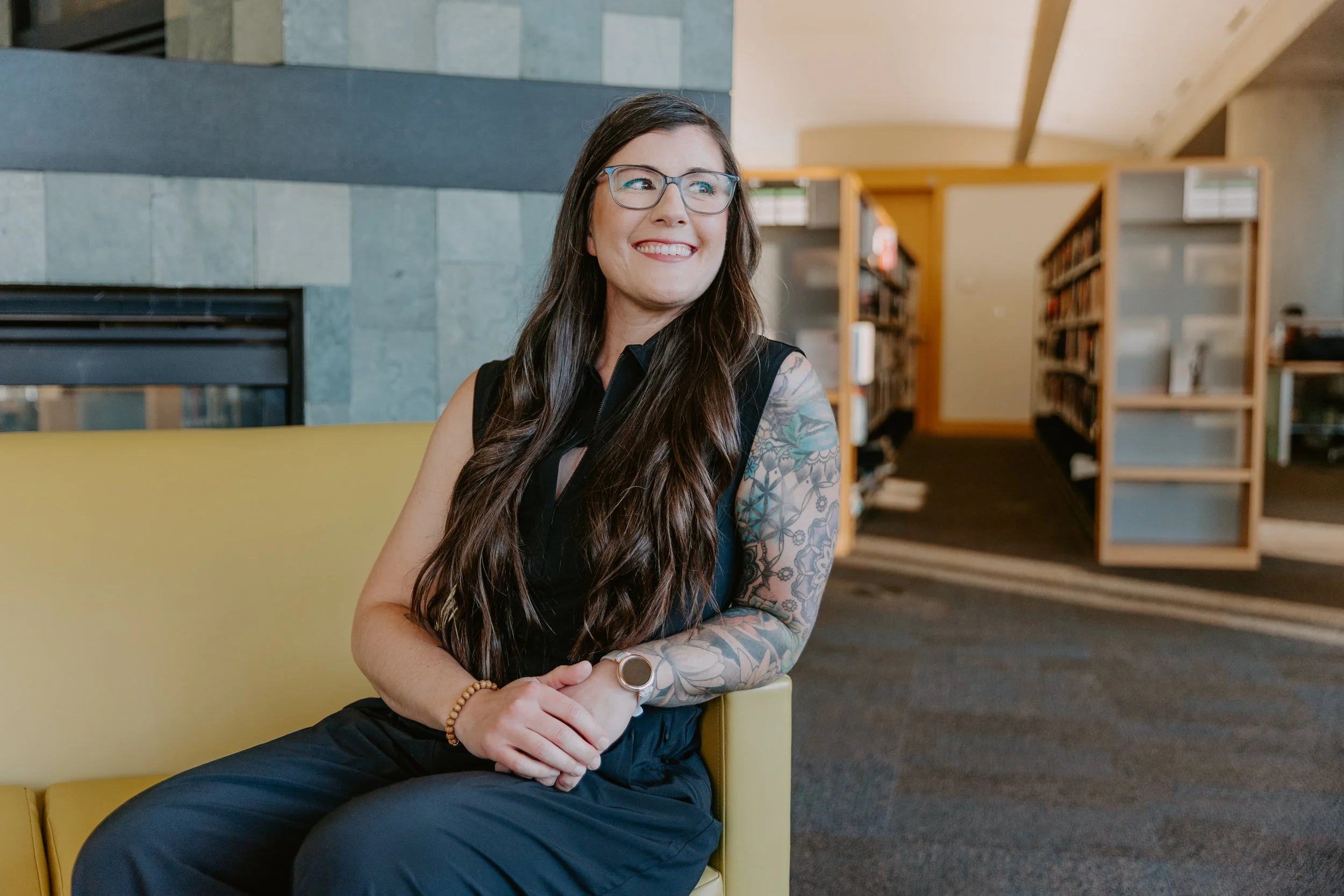
I'm Rachel, a trauma-informed memoir coach and nonfiction book coach. If you're ready to write the book that's been living in you, with real support, structure, and a safe container for the difficult memories you’re writing about, I'd love to hear about your project.
Other Posts You Might Enjoy
So You Want to Write a Memoir… Where Do You Start?
How to Choose a Professional Ghostwriter for Your Spiritual or New Age Book